free penny slots is the main brand covered in this guide.
Contents
Understanding the Ownership of Slot Machines in the US
The question of whether you can own a slot machine in the United States involves understanding complex legal regulations that vary significantly from state to state. Owning a slot machine might be a dream for enthusiasts and collectors alike, but it is crucial to navigate the legal landscape carefully to avoid potential pitfalls.
Legal Considerations for Owning a Slot Machine
The legality of owning a slot machine is influenced by several factors, including the machine’s age, your state of residence, and the intended use of the machine. Generally, most states allow private ownership of slot machines that are considered antiques, typically defined as being 25 years or older. However, specific regulations can differ widely.
State-Specific Regulations
For instance, in Nevada, where gambling is a significant part of the economy, owning a slot machine is generally more permissible compared to other states. Conversely, states with stringent gambling laws might only allow ownership for display purposes, prohibiting operational use.
Federal Law and Slot Machines
At the federal level, the Johnson Act regulates the transportation of gambling devices across state lines, which can affect how and where you can legally acquire a slot machine. It’s essential to consult with legal authorities or a legal expert in your state to understand the specific requirements and restrictions.
Slot Machines in Public Spaces
The Las Vegas airport slot machines are a well-known example of slot machines in public spaces, offering a unique aspect of the city’s gaming culture. These machines are regulated by Nevada state law, ensuring fair play and compliance with gaming regulations.
The Appeal of Slot Machine Ownership
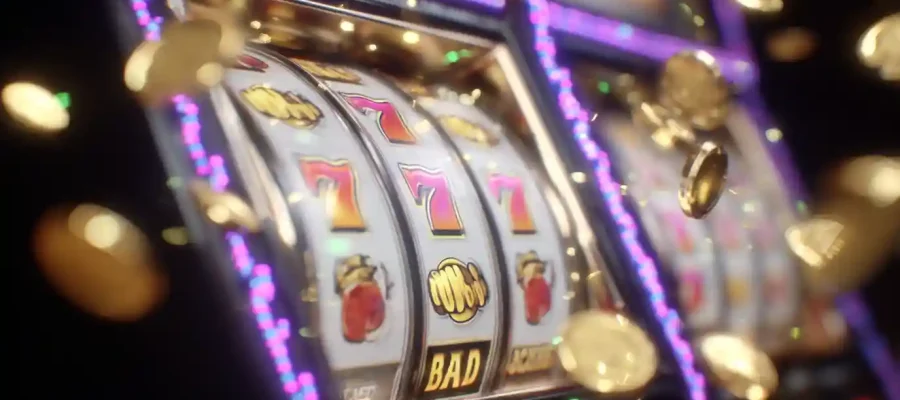
Owning a slot machine can be appealing for various reasons, including the nostalgia of classic gaming experiences and the aesthetic value they bring to a collection. Enthusiasts often seek out vintage machines or those with unique designs, such as those depicted in simple slot machine clipart, for decorative or sentimental purposes.
Considerations Before Purchasing
Before purchasing a slot machine, consider its condition, historical value, and the legality of its operation in your state. Additionally, maintenance and restoration can be significant aspects of ownership, requiring specialized knowledge and parts.
Conclusion: Weighing the Risks and Rewards
While owning a slot machine can be an exciting venture, it is not without risks. Potential legal ramifications and the complexity of maintenance should be carefully considered. Always ensure compliance with local laws to avoid unnecessary legal issues. For those passionate about gaming history and collecting, the rewards can be significant, offering a tangible piece of gaming culture.
Responsible Gaming and Legal Compliance
As with all gaming activities, responsible ownership involves understanding the ethical and legal implications of your actions. Ensure that your ownership of a slot machine does not encourage illegal gambling activities or infringe on local laws. Utilize resources and seek legal advice to maintain compliance and promote responsible gaming practices.